Espering- universal simple English without grammar !
Espering- universal simpl Inglish vizaut gramatik !
 | ||
The most simple and easy language for everyone.
Nothing to learn besides new words,
and how much you need here and now.
There are dictionaries, phrase books
and the first translations into Espering.
На Главную стр. Ещё об Эсперинге Отзывы Разное на 3-ёх языках Урок э-инга Скачать Форум Карта сайта | ||
 | ||
 | ||
Contents (all transitions with a return to the Contents):
* About Espering and 9 simplest rules of Espering.
* English-Espering Phrasebook with its Vocabulary-440 words.
* English-Espering dictionary. 2250 words (do not pay attention to the Russian part of pages).
* Espering-Inglish leksikon. 2250 vords.
* Translation into Espering of story "The Duel" by Jeyms Heriot (James Herriot).
* Translation into Espering of "The Telephon" by Korney Chukovskiy, poem for children and adults,
free translation of Nataliya Konotop, Harkov, Ukraina.
(both translations are with their vocabularies)
( Alas, the foreign language pages on the old site are similar in composition
to the most complete Russian ones, but they have not been translated, despite
calls for everyone to take part in this, i.e. they have literally been given over to everyone.
We figured out the reasons, and they have already been mentioned somewhere:
the site was and is supported by young pupils of language and computer courses,
and it was not right to involve them in this difficult work.
And adults, apart from passers-by and occasional curious people,
but from those who lingered on the site with a single and purely practical purpose:
having no desire to get involved with the English language,
but not being against at least slightly facilitating their contacts with English speakers,
they took one or the other and... they were coming away
to do their own things already with Espering - and what else do you need?! )
* * * * *
Our world is becoming a common global village. But The Globillage in what people
can't communicate because they don't speak the same language.
Espering is a additional, auxiliary language for communication of all citizens of the world.
And what's more, Espering is the ideal solution to the language problem on our planet,
because 42% of all humanity already are understanding English.
And Espering is a version of English but more easier to learn and to use.
And most importantly Espering has no grammar.
That is why Espering is a nothing-to-learn language fo everyone, except new words
and how much you need here and now.
That is you can speak, write and read Espering with the help of alone dictionary.
Espering (E-ing, e-g) is composed only the short words, that easy to comprehend
and pronounce, and that are shorter even than those of English, and faster
and more efficiently in the Internet.
Espering will be very useful also in the international travel. Most of the tourists are
experiencing the inconvenience from a lack of common language,
widespread in all corners of our planet.
For all people it'll be more easy interact with whole world if Espering will be
a universal language on our planet.
The worldwide use of the universal language cannot be realized without
an assistance of all global citizens.
Why don't you join them?
Due to the simplicity of Espering all people can acquire and use Espering
more quickly and easy than whatever other language in the world.
- - - - - - -
In Espering no lessons, only 9 of the simplest rules:
(the basic variant for all people):
Espering is pronounced exactly as it is spelt.
Every letter has one sound, always the same.
The Espering alphabet has 22 letters instead of 26 in English:
Aa Bb (Ch,ch) Dd Ee Ff Gg Hh Ii Jj Kk Ll Mm Nn Oo Pp Rr Ss Tt Uu Vv Yy Zz
There are no q, w, x: they were replaced by kv, v and ks.
No separate c as k and s, although it is in ch (as in cheese).
1. Espering is pronounced exactly as it is spelt.
Pronunciation and spelling are close and very similar to the transcription of English..
Vowels:
a [as a in father], o [as in dog], e [as in pet],
i [as in dig], u [as in put], y [as in young, they].
Consonants:
b, d, f, g [as in gay], h [like English h], j [as g in gem, or j in jam], k, l, m, n, p,
r [as in ray], s, t, v, z- are the same as English letters and sounds.
Combinations of letters:
ch [as in church], sh [as in ship];
rarely: ts [as in pizza] and zh [as in vision].
The sound th as in think and this= simple s and z: sink, zis.
2. The accent is more often on the next to last syllable of a word as in English.
If needed, a capital (or big) letter indicates the accent:
e-ing repit [repit] (engl. repeat [rip'i:t] ); e-ring auer [Auer] (engl. hour ['auə] ).
3. The same word in Espering dictionary can be
a verb (infinitive and present tense), noun, adjective, adverb, etc.
4. The order of words in the sentence based on the context, on the meaning,
but more often is:
subject, predicate, adverbial (time, place, manner, reason, purpose, conditional...)
5. The adjective precedes the noun.
6. The plural form only for a nouns and made by attaching the ending -s.
Where it is most convenient for pronunciation: -es.
(dey (day)- deys (days); mans (month)- manses (months).
7. The verbs in three tenses:
a) in present (and infinitive)- the basic dictionaries word forms.
b) in the past any verb ending in -ed. There are no irregular verbs at all.
Hi bied... (He was...).
c) in the future vil stands before the verb: Ay (hi) vil gou... (I (he) shall (will) go...).
 | ||
8. The negation: no [no] stands in front of the negated word.
No, ay no vont (No, I do not want).
9. The question is asked with a question word or intonation.
That's the whole "lesson" of Espering!! And whole Espering is in his dictionary!!!
(Return to Сontents of this page)
-------------------------------------
In Espering no lessons, only 9 of the simplest rules:
(the option for insufficiently literate):
Espering is pronounced exactly as it is spelt.
Every letter has one sound, always the same..
The Espering alphabet has 22 letters instead of 26 in English:
Aa Bb (Ch,ch) Dd Ee Ff Gg Hh Ii Jj Kk Ll Mm Nn Oo Pp Rr Ss Tt Uu Vv Yy Zz
There are no q, w, x: they were replaced by kv, v and ks.
No separate c as k and s, although it is in ch (as in cheese).
1. Espering is pronounced exactly as it is spelt.
Vowels:
a [as a in father], o [as in dog], e [as in pet],
i [as in dig], u [as in put], y [as in young, they].
Consonants:
b, d, f, g [as in gay], h [like English h], j [as g in gem, or j in jam], k, l, m, n, p,
r [as in ray], s, t, v, z- are the same as English letters and sounds.
Combinations of letters:
ch [as in church], sh [as in ship];
rarely: ts [as in pizza] and zh [as in television].
The sound th as in think and thiz= simple s and z: sink, zis.
2. The accent is more often on the next to last syllable of a word as in English.
If needed, a big letter indicates the accent:
e-ing. repit [repit]; (engl. repeat); e-ring auer [Auer] (engl. hour).
3. The same word in Espering dictionary can be
a word of action (and in the present tense);
the name of something or someone, i.e. "what-who";
descriptive words for "what-who";
a manner of action, i.e. "how does", etc.:
1 e-ing. word grid = 5-6 engl. words greed or greediness, greedy, greedily, be greed.
4. The order of words in the sentence based on the meaning,
but more often is: "what or who does anything", "word of the action", "what someone does",
"how someone does", "where, when, why someone does"...
Yang shumeyker repeered kvik ay buts, zis moning, on zet strit.
(engl.: A young shoemaker quickly repaired my boots, this morning,
in a shoe shop on the street.)
5. The descriptive word for "what-who"- goes ahead "what, who":
long vey, yang men (engl. a long way, the young man).
6. The plural only for "what, who": in the end of the word -s.
Where it is most convenient for pronunciation: -es:
(dey (engl. day)- deys, mans (engl. months)- manses).
7. For a word of the action there are 3 tenses:
a) currently, just a word of action (from a dictionary):
gou; ay gou, hi gou (engl. I go, he goes).
b) in the past- the word of action ending in -ed:
Hi bied... (engl. He was...)
c) in the future- the word vil stands in front of the word of action:
ay vil gou...; hi vil gou (engl. I shall go...; he will go...)
8. The negation: no [no] stands in front of the negated word.
No, ay no vont (engl.: No, I do not want).
9. The question is asked with a question word or intonation:
vot (engl. what), vee (engl. where), ven (engl. when), hau (engl. how) etc.
Vot yu vont?; Yu gou viz ay?
That's the whole "lesson" of Espering!! And whole Espering is in his dictionary!!!
Reviews about Espering: Espering! - Hoping! Espering's logo is the leaf of meadowsweet (spirea, spiraea), as a raised hand in greeting to all the world! * * * * * * How amazing! This is a miracle! * Yes, a brilliant solutions for complex problems are usually simple. There is nothing for all but be surprised at why did no one invent this before. The new global language Espering- it's a innovation of genius. Bend your fingers for counting: 1. Espering- the language without grammar. And 5-9 of its rules are very simple. 2. Half of the inhabitants of the Earth that speak English already, all they in practise know Espering, because it's real English but extremely simplified and lightened. And none language in the world didn't have such start-up capital! 3. So Espering- the language, in which there is nothing to learn, aside from a new words between this and then. Or 2 words in the morning for breakfast, the same- at lunch, and 1-2 words for supper. Simpler and easier- simply impossible. And that's why it's ingeniously simple. This is Espering- the universal, global language. The language for everyone on our planet! * * * * * * * |
* * * * *
English-Espering Phrasebook.
Inglish-Espering frazbuk.
Contents:
(all transitions with a return to the Contents)
Acquaintance.
Language.
Interrogative words.
Prepositions and other.
Notices.
Calculation (the numerals).
Time and calendar.
Colors.
Transport (airport, train, bus, taxi).
In the city.
Apartment and Hotel.
Money.
Telephon and Post office.
Nutrition (restaurant, club).
Shoping.
Driving.
Leisure.
Consumer service
(hairdresser, barber; repairment, laundry).
Problems.
Medical aid (drug store, doctor).
* * * * * * *
Acquaintance. - Akveyntens.
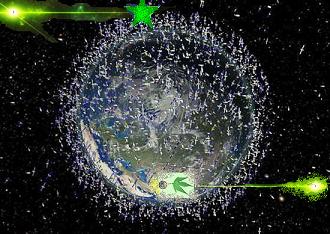 Zis no simpl orbit debris bat 7000 lingvas of vi planet, BAT NO sru zet no ken meyk zey vey tu tangs of human- - no Esperanto, no Espering- universal simpl lingvas... BAT sru short-saytednes of ol vi. | ||
Hello (Hi)! - Helo (Hay)!
Good morning. - Gud moning.
Good afternoon. - Gud aftenun.
Good evening (Good night). - Gud ivning (Gud nayt).
How are you? - Hau yu?
Fine, thank you. - Fayn, senk yu.
What is your name? - Vot yu neym?
My name is ... - Ay neym ...
Who are you? - Hu yu?
I am ... - Ay ...
It's a pleasure to meet you. - Zis plezhe mit yu.
Yes. - Yes.
No. - No.
Politeness - Polayt.
Please. - Pliz.
Thank you. - Senk yu.
Excuse me. - Pardon.
I'm sorry. - Sori.
Permit? - Permit.
Goodbye. - Gudbay.
----------------------------
Language - Langvij.
Do you speak espering? - Yu spik espering?
I speak a little espering. - Ay spik litl espering.
I can't speak espering. - Ay no ken spik espering.
I don't understand. - Ay no andestend.
Is there someone here who speaks espering? - Hu hie spik espering?
Could you repeat it please? - Repit, pliz.
Could you speak more slowly, please? - Pliz, yu ken spik moo slou?
Consent - Konsent.
Refusal - Rifyuz:
I agree. - Ay egri.
I don't agree. - Ay no egri.
You're right. - Yu rayt.
Sure. - Shue.
Addressing people - Adres pipl:
Officer. - Ofiser.
Nurse. - Ners.
Driver. - Drayver.
Doctor. - Doktor.
(Return to Сontents of the Frasebook)
----------------------------
Interrogative words - Interogat vords:
where - vee?
Where is the toilet? - Vee tualet?
when - ven, who - hu, what - vot,
how - hau, how much - hau mach, from where - from vee,
wich - vich, why - vay.
What is it? - Vot zis?
What for? - For vot?
Where is it? - Vee zis?
Prepositions, adverbs etc. - Prepozishns, adverbs etc.:
on - on; under - ande; in- in; from - from; to - tu;
before - bifo; after - afte; front - front; behind - bihaynd; between - bitvin;
opposite - opozit; around - eraund; over - ouve; under - ande;
up - ap; down - daun;
at - et; through, across - sru, ekros;
inside - insayd; outside - autsayd;
about - ebaut; for- fo; with - viz; without - vizaut;
here - hie; there - zee; in front - in front; in back - in bek; on corner - on korner;
across - ekros; to the left - tu left; to the right - tu rayt;
straight - streyt; ahead - ahead; forward - forvard; back - bek.
close - klous; near - nie; far - far;
till - til, antil; during - dyuring; since - sins;
how long - hau long.
because - bikoz.
so - sou; well - vel; badly - bed; high - hay; low - lou;
beatifully - byutiful; ugly - agli;
quickly - kvik; slowly - slou; loudly - laud; quietly - kvayet.
Pronouns (personal) -
- Prounauns (personal en posesiv- samtayms viz prepozishns bay mining):
I - ay; you - yu; he - hi; she - shi; we - vi; you - yu; they - zey.
it - zis, hi, shi.
me, my, his... and so on - (tu, of) ay; (of) hi... en sou on.
(en zee no: him, her, your, our(s), your(s), their(s), its; them, us...:
Ay teyked yu buk = Ay teyked buk of yu)
Notices - Notises
Inscriptions - Inskripshns:
Information.- Inform.
Toilet (WC, Restroom). - Tualet (Restrum).
Men. - Mens.
Gentlemen - Jentlmens.
Women - Vumens.
Ladies - Leydis.
No smoking. - No smouk.
Forbidden. - Forbid.
Open. - Open.
Close. - Klous.
Entrance. - Entrans.
Exit. - Eksit.
Push. - Push.
Pull. - Pul.
Up.- Ap.
Down. - Daun.
Private property. - Privat (properti).
Admission free. - Edmishn fri.
Out of order. - No vork.
Wet paint. - Vet peynt.
Beware of the dog. - Beveer dog.
Don't touch. - No tach.
Danger.- Denjer.
Emergency exit. - Emerjens eksit.
Fire escape. - Fayr eskeyp.
(Return to Сontents of the Frasebook)
Calculation (the numerals). - Kalkul (numerals).
 Inglish jentlmens? Zey diferent. Bay ol eybl spik Inglish en... Espering! | ||
0 zero, nougt - zero (ziro).
1 one - van.
2 two - tu.
3 three - sri.
4 four - fo.
5 five - fayv.
6 six - siks.
7 seven - sevn.
8 eight - eyt.
9 nine - nayn.
10 ten - ten.
11 eleven - elevn.
12 twelve - tvelv.
13 thirteen - setin.
14 fourteen - fotin.
15 fifteen - fiftin.
16 sixteen - sikstin.
17 seventeen - sevntin.
18 eighteen - eytin.
19 nineteen - nayntin.
20 twenty - tventi.
21 twenty one - tventi van... (etc.)
30 thirty - seti.
40 fourty - foti.
50 fifty - fifti.
60 sixty - siksti.
70 seventy - sevnti.
80 eighty - eyti.
90 ninety - naynti.
100 hundred - handred.
two hundred - tu handred (etc.).
1000 thousand - sauzend.
2000 two thousand - tu sauzend (etc.).
1,000,000 (one) million - (van) milion (etc.).
1,000,000,000 billion, milliard - miliard.
half - haf.
quarter - kvart.
few- fyu.
less - les.
much- mach.
many- meni.
more - moo.
(Return to Сontents of the Frasebook)
Time. - Taym.
minute(s) - minut(s).
hour(s) - auer(s).
day(s) - dey(s).
week(s) - vik(s).
month(s) - mans(es).
year(s) - yier(s).
now - nau.
after - afte.
befor - bifo.
morning - moning.
afternoon - aftenun.
night - nayt.
today - tedey.
yesterday - yestedey.
tomorrow - temoro.
this week - zis vik.
last week - last vik.
next week - nekst vik.
What time is it?. - Vot taym (nau)?
It's one o'clock AM- Van oklok ey-em (AM).
It's four o'clock PM - Fo oklok pi-em (PM).
Four and half - Fo en haf (PM).
A quarter after five - Kvart afte fayv.
A quarter to six - Kvart tu siks.
It's ten o'clock PM- Ten oklok pi-em (PM).
midnight - midnayt.
Calendar - Kaledar.
Monday - mandey.
Tuesday - tyusdey.
Wednesday - vensdey.
Thursday - sesdey.
Friday - fraydey.
Saturday - satedey.
Sunday - sandey.
 | ||
January - yanuar.
February - februar.
March - mart.
April - april.
May - may.
June - yuni.
July - yuli
August - august.
September - september.
October - oktober.
November - november.
December - desember.
What's today's date? - Vot deyt tedey?
January 24th, 2011 - 24 (tventi fo) of yanuar, 2011.
(Return to Сontents of the Frasebook)
Color - Kolor.
white - vayt.
grey - grey.
black - blek.
red - red.
orange - oranj.
yellow - yelou.
green - grin.
blue - blu.
pink - pink.
brown - braun.
light - layt.
dark - dark.
(Return to Сontents of the Frasebook)
Transport. - Transport:
Stop. - Stop.
No parking. - No parking.
Parking - Parking.
No entrance. - No entrans.
car - kar, avto.
truck, lorry - trak, lori.
bus, autobus - bas.
airplane - eerpleyn,
airline- eerlayn.
airport - eerport (or aerport).
train - treyn.
ship - ship.
boat - bot (or bout).
subway, the underground, tube, metro - metro, tyub, sabvey.
tram - trem.
motor cycle - motosikl.
bisycle, sycle - baysikl.
Airport - Aerport:
Arrival - Erayv.
Passport control.
I've arrived from ... - Ay erayved from ...
I've arrived to visit friends. - Ay erayved vizit frends.
Неrе are my bagage. - Hie ay begij.
My suitcase is lost. - Au luzed syutkeys.
Departure - Depart:
How do I get to the airport (the bus station, the train station, the subway)?
I'd like to make a round trip reservation. - Аy vont meyk raund trip rezerveyshn.
When does the next plane leave for ... ? - Ven nekst pleyn liv tu ... ?
When is the next flight to ...? - Ven nekst flayt tu ...?
When does the plane take off? - Ven pleyn depart?
I'd like an aisle (a window) seat. - Ayl (vindou) sit, pliz.
Train - Treyn:
How do I get to the train station (the bus station, the subway, the airport)?
How do I get to the bus station (the train station, the subway, the airport)?
How much is the train ticket to ... ? - Hau mach treyn tiket tu ... ?
What platform does the train leave from? - Vot platform treyn liv?
Bus - Bas.
How do I get to the bus station (the train station, the subway, the airport)?
- Hau get tu bas steyshn (treyn steyshn, metro, eerport)?
Where is the bus (train) to ...? - Vee bas (treyn) tu ...?
Does this bus (train) stop in ...? - Zis bas (treyn) stop in ...?
When does the bus (train) for ... leave? -
- Ven zis bas (treyn) tu ... depart?
When will this bus (treyn) arrive in ...? - Ven zis bas (treyn) tu ... vil erayv?
How often do the buses run? - Hau ofn bases ran?
What number bus should I take? - Vot namber bas ay mast teyk?
What number bus should I take to the city center? -
- Vot namber bas tu siti sentr?
How much is a ticket to ... ? - Hau mach tiket tu ... ?
One ticket to ..., please. - Van tiket tu ..., pliz.
Please tell me when my stop is coming up. - Pliz, tel ven vil bi ay stop.
Will you please let me know when we arrive at ... -
- Pliz, tel ven vi erayv et ...
Are you getting off now? - Yu gou aut nau?
Taxi. - Taksi.
Where can I get a taxi? - Vee ken ay get taksi?
I want an inexpensive hotel. - Ay vont no ekspens hotel.
How much does it cost to get to ...? - Hau mach kost get tu...?
Take me to ..., please. - Teyk ay tu..., pliz.
Take me to the airport. - Teyk ay tu eerport (or aerport).
Take me to this address. - Teyk ay tu zis adres.
Stop here, please. - Stop hie, pliz.
What does the meter say? - Vot miter sey.
Leave me there, please. - Liv ay zee, pliz.
(Return to Сontents of the Frasebook)
In the city - In siti:
Asking the way - Ask vey.
Excuse me, can you tell me where ... is? - Pardon, ken yu tel vee ... ?
Excuse me, can you tell the way to ... ? - Pardon, ken yu tel vey tu ... ?
Excuse me, can you tell how to get to ... ? - Pardon, ken yu tel hau get tu ... ?
How do I get to downtown (restaurant; bar; hotel...; ... consulate)?
- Hau get tu dauntaun (restoran; bar; hotel...; ... konsul)?
Where are there a lot of sites to see? - Vee zee lot of sayts si?
Can you show me on the map ... (street)?
- Ken yu shou on mep... (strit)?
 | ||
I'd like to go sightseening. - Ay vont gou si-sayts.
Is there a city tour I can take? - Ken ay teyk siti tur?
How long does it take? - Hau long zis teyk?
left - left.
right - rayt.
straith - streyt.
intersection-- kros-roud, intersekshn.
north - nors.
south - sous.
east - ist.
west - vest.
Apartment. Hotel. - Apartment. Hotel.
I'm looking for an appartment for rent. - Ay serch apartment fo rent.
Do you have any rooms available? - Yu hev eni rum fo rent?
How much does a room cost for one person (two people)? -
- Hau mach kost rum fo van (tu) pipl?
Does the room come with ... (a bathroom, a telephone, a TV, with room service)? -
- Zis rum viz ... (basrum, telefon, tivi, rum servis)?
May I see the room? - Mey ay si rum?
Do you have anything ... (bigger, cleaner, quieter, cheaper)? -
- Yu hev enising moo... (big, klin, kvayet, chip)?
Can I use an electric stove (kettle, an immersion heater) in the room? -
- Ken ay yuz elektrik stouv (ketl, imershn hiter) in rum?
Do I pay in advance? - Ay mast pey edvans?
What discount do you give? - Vot diskaunt yu giv?
Is breakfast (supper) included? - Brekfast (saper) inklud?
Ok, I'll take the room. - Okey, ay teyk rum.
I will stay for ... night(s). - Ay vil stey hie ... nayt(s).
Can you recommend other hotels? - Ken yu rekomend azer hotel?
Where is the elevator? - Vee lift?
What time is breakfast (supper)? - Vot taym brekfast (saper)?
Please, clean my room. - Pliz, klin ay rum.
I can't turn the TV set on. - Ay no ken tern on TiVi.
The airconditioner (the refrigerator) isn't work. - Eyr-kondishn (refrijer) no vork.
The toilet doesn't work. - Tualet no vork.
The bulb in my room has burned out. - Balb in ay rum no bern.
There's no towel in the bathroom. - No tauel in basrum.
I want to check out. - Ay vont chek aut.
Do you accept dollars (euros, credit cards)? - Yu aksept dolars (evros, kredit kards)?
(Return to Сontents of the Frasebook)
Money - Mani
Exchange - Ekscheynj.
Where can I get money changed? - Vee ken ay cheynj mani?
Can you change money for me? - Pliz, ken yu cheynj mani?
I need dollars bills. - Ay nid dolars bils.
I need big bills (small change, coins). -
- Pliz, ay nid big bils (smol cheynj, coins).
What is the fee for changing money? - Vot fi fo sheynj mani?
What is the rate of exchange of the dollars to euvro? - Vot reyt ekcheynj dolars tu evro?
Where is a cash machine? - Vee kesh-mashin?
Bank - Bank.
I want to open a checking account. - Ay vont open chek-ekaunt.
I want to make a withdrawal. - Ay vont vizdro.
Telephon - Telefon..
How do I call? - Hau kol?
May I speak to Mr. ... ? - Mey ay spik tu mister ... ?
Please speak louder (slowly). - Pliz, spik moo laud (slou).
Can you repeat that, please. - Repit, pliz.
The line is busy. - Layn bizi.
Could you give him a massage, please? - Ken yu giv hi mesaj, pliz?
The post office - Post ofis..
Please give me an envelope with stamp. - Pliz, giv envelop viz stemp.
I want to send a package tu ... - Ay vont send pekij tu ...
(Return to Сontents of the Frasebook)
Nutrition - Nutrishn:
bar - bar.
tavern (pub) - tavern (pab).
club - klub.
plate - pleyt.
spoon - spun.
fork - fork.
glass - glas.
cup - kap.
napkin - nepkin.
Where can we get a quick (good, chip) meal? -
- Vee ken vi get kvik (gud, chip) mil?
Is there a coffee shop (cafeteria) near here? - Vee kafe nie hie?
How much does it cost for a complete meal for two? -
- Hau mach kost komplit mil fo tu?
What kind of soup do you have? - Vot sup yu hev?
Do you have a steak (mashed potatoes)? - Yu hev steyk (mesh-poteytos)?
Can we get something to take out? - Ken vi get samsing teyk aut?
Restaurant - Restoran.
A table for one person (two people), please. - Pliz, teybl fo van (tu) person,
Can I look at the menu, please? - Pliz, ken ay luk menyu.
I want... - Ay vont...
chicken - chicken.
beef - bif.
fish - fish.
ham - hem.
sausage - sosij.
cheese - chiz.
eggs - eggs.
salad - salad.
vegetables - vejetebls.
fruit - frut.
bread - bred.
noodles - nudls.
rice - rays.
beans -bins.
May I have a glass of ... (water, juice)? -
- Mey ay hev glas of... (voter, jus)?
May I have a cup of ... (cofee, tea)? - Mey ay hev kap of... (kofe, ti)?
May I have a bottle of ... (beer, wine (red, white, whisky)? -
- Mey ay hev botl of... (vayn (red, vayt), viski)?
Excuse me, waiter! - Pardon, veyter!
May I have some ... (butter, salt)? - Mey ay hev sam... (buter, solt)?
The check (bill), please. - Bil, pliz.
May I have the bill? - Mey ay hev bil?
Do we have to leave a tip? - Vi mast liv tip?
How much is the tip? - Hau mach tip?
Club. - Klub.
What time do you close? - Vot taym yu kloz?
Do you have any bar snacks? - Yu hev eni bar sneks?
Is there table service? - Yu hev hie teybl servis?
Could we dance here? - Ken vi dans hie?
(Return to Сontents of the Frasebook)
Shoping - Shoping:
The department store - Department stor.
Is there a department store near here? - Vee department stor nie hie?
Where's the men's (women's, ladies) clothing department? -
- Vee mens (vumens, leydis) klouzes?
Excuse me, can you tell me where the dress (shoes) department? -
- Pardon, ken yu tel vee dress (shus) department?
Where do they sell shoes (sporting goods, shirts) on? -
- Vee zey sel shus (sport guds, sherts)?
Where can I buy ... ? - Vee ken ay bay ... ?
I need ... - Ay nid ...
I want to buy ... - Ay vont bay ...
Please give me ... - Pliz, giv ay...
Please show me ... - Pliz, shou ay...
I ware size ... - Ay veer sayz ...
Please give me a larger (smaller) size. - Pliz, giv ay moo larj (moo smol) sayz.
Where's the fitting (dressing) room? - Vee fit (dres-)-rum?
It's fine. - Zis fayn.
I don't like it. - Ay no layk zis.
How much is it? - Hau mach zis.
I'll take it. - Ay teyk zis.
I won't take it. - Ay no vont teyk zis.
Can I exchange this? - Ken ay (eks)cheynj zis?
Where do I pay? - Vee pey?
Can I return this? - Ken ay retern zis?
Can I have my money back, please? - Ken ay hev mani bek, pliz?
I'm just looking, thank you. - Ay jast luk, senk yu.
How much is this? - Hau mach zis?
That's too expensive. - Zis tu ekspens.
chip - chip.
I don't want it. - Ay no vont zis.
Ok, I'll take it. - Okey, ay teyk zis.
Do you accept dollars? - Yu aksept dolars?
I need ... - Ay nid...
... medicine, drug - medsin, drag.
... analgetic - analgetik.
 | ||
... stomach medicine - stomak medsin.
... batteries - bateris.
... umbrella - ambrela.
... razor - reyzor.
... pen - pen.
... paper (writing-paper) -- rayt-paper.
... (postage) stamps - post-stemps.
... postcard - post-kard.
... shampoo - shampu.
... soap - soup.
... tooth-brush -- tus-brash.
... tooth-paste -- tus- peyst.
(Return to Сontents of the Frasebook)
Driving - Drayving:
Rent a car - Rent kar.
Where can I rent a car? - Vee ken ay rent kar?
I want to rent a car. - Ay vont rent kar.
Can I get insurance? - Ken ay get inshuer.
How much does it cost to rent a car for five days (for week)? -
- Hau mach kost rent kar fo fayv deys (fo vik)?
On the road.
How do we get to ... ? - Hau vi get tu ... ?
Is this the way tu ...? - Zis vey tu ... ?
Can you show me the way tu ... on the map? -
Ken yu shou vey tu ... on zis mep?
Is there a service station along this way? - Bi servis steyshn on zis vey?
Where is the nearest gas station? - Vee ges steyshn nie hie?
Change the tire, please. - Cheynj tayr, pliz.
Trouble on the road - Trabl on roud.
I have a problem with my car. - Ay hev problem viz kar of ay.
Can you help me? - Ken yu help ay.
The engine died. - Enjin dayed.
Can you tow my car? - Ken yu tou ay kar?
I have a flat tire. - Ay hev flet tayr.
How long will the repair take? - Hau long vil teyk repeer?
gas, petrol - ges (petrol).
gas station - ges steyshn.
Leisure - Lezhe:
Theatre - Teatr.
Cinema - Sinema.
Do you have ane seats for Sunday evening? - Yu hev sits fo sandey ivning?
I'd like to reserve two tickets fo Friday's performance. -
- Ay vont rezerv tu tikets fo fraydey performans.
How much are the tickets? - Hau mach zis tikets?
Please give me two tickets. - Pliz, giv ay tu tikets.
At a concert - Et konsert.
When does the concert begin? - Ven konsert begin?
Museum - Muzeum.
When is the museum open? - Ven muzeum open?
Spots - Sports.
What teams are going to play today? - Vot tims pley tedey?
Do you have tickets for today's game? - Yu hev tikets fo tedey geym?
What's the score? - Vot skor?
(Return to Сontents of the Frasebook)
Consumer service -- Konsam-servis:
Hairdresser, barber - Heerdreser, barber.
I need a hair cut. How much will it cost? - Ay nid heer kat. Hau mach vil zis kost?
Please cut my hair short. - Pliz, kat ay heer short.
Please trim my mustache and beard. - Pliz, trim ay mustash en bierd.
Just a trim, please. - Jast trim, pliz.
Repairment - Repeer.
Where's the nearest repair shop (shoemaker)? -
- Vee repeer shop (shumeyker) nie hie?
Do you repair shavers (watches, TV)? - Yu repeer sheyvers (voches, ti-vi)?
Can you repair my shoes while I wait? - Ken yu repeer ay shus vayl ay veyt?
How much does the repair cost? - Hau mach kost repeer?
When will it be ready? - Ven vil bi redi?
When can I get it back? - Ven ken ay get zis bek?
Laundry - Londri.
Where's the nearest laundry? - Vee londri nie hie?
How long will it take to have clothes washed in the laundry? -
- Hau long vil teyk vosh klouzes in londri?
Excuse me, can you help me? - Pardon, ken yu help ay?
* * * Problems. - Problems.
I need help. - Ay nid help.
It's an emergency. - Zis emerjens.
I'm lost. - Ay luzed vey.
I lost my wallet (handbag). - Ay luzed volet (hend-beg).
I need a doctor. - Ay nid doktor.
I'm sick. - Ay sik (Ay fil sik).
I've been injured. - Ay hev injer.
Can I use your phone? - Ken ay yuz yu fon?
Can I borrow your cell (mobile) phone? - Ken ay borou mobil-fon of yu?
I need to call the embassy. - Ay nid kol embasi.
Look out! - Teyk keer!
Fire! - Fayr!
Don't touch me! - No tach ay.
Leave me alone. - Liv ay eloun.
I'll call the police. - Ay vil kol polis!
Help! - Help!
Stop! Thief! - Stop! Sif!
Police! - Polis!
Call the police! - Kol polis!
Where is the police station? - Vee polis steyshn?
Can you help me, please? - Ken yu help ay, pliz?
There's been an accident! - Zee bied eksident!
Call a ... (doctor, an ambulance) - Pliz, kol... (doktor, ambulans)!
I haven't done anything wrong. - Ay no dued nasing rong.
There has been a mistake (misunderstanding). - Zis bied misteyk (misanderstend).
I am an American (Australian, British, Canadian) citizen. - Ay Amerik (Avstral, Britan, Kanad) sitizn.
I want to talk to the American (Australian, British, Canadian) embassy (consulate, lowyer). -
- Ay vont tok Amerik (Avstral, Britan, Kanad) embasi (konsul, loeyr).
a fine - fayn.
Medical aid -- Medik-help.
Drugstore - Dragstor.
Where a drug store near here? - Vee drag stor nie hie?
Do you have this medicine? - Yu hev zis medsin?
The optician -- Optik-shop.
Can you repair these glasses? - Ken yu repeer zis glases?
Doctor - Doktor.
Where is the clinic? - Vee klinik?
How do I get to the hospital? - Hau get tu hosptl?
I'd like to make an appointment to see the doctor. - Ay vont meyk epoyntment viz doktor.
I have a head cold. - Ay hev hed kould.
I have a headache (stomach~, back~). - Ay hev hed-eyk (stomak-, bek-).
I feel sick. - Ay fil sik.
I have pain in my chest. - Ay hev peyn in chest.
My leg hurts. - Ay leg hert.
It hurts here. - Hert hie.
(Return to Сontents of the Frasebook)
* * * * *
English-Espering Vocabulary
of the Frasebook- 440 words:
A,a B,b C,c D,d E,e F,f G,g H,h I,i J,j K,k L,l M,m N,n O,o P,p Q,q R,r S,s T,t U,u V,v W,w (X,x) Y,y Z.z
| A,a about - ebaut. across - ekros. address - adres. addressing - adres. adhesive tape - plaster, adheziv teyp. admission - edmishn, entri. advance - edvans. after - afte. agree - egri. airconditioner -- eyr-kondishn. airport - eerport (aerport). aisle - ayl. all - ol. along - elong. always- olvez. amusement - amyuzment. and - en. anderstand - anderstend. apartment - apartment. appointment - epoyntment. are (be, is) - bi. arm - arm. around - eraund. arrival - erayv. arrive - erayv. as - ez. ask - ask. at - et. ate (pst. of eat) - ited. autumn - autum. (retern tu Alfabet) B,b back - bek. backache -- bek-eyk. bad - bed. bagage - begij. bandage - bandazh. bank - bank (no benk). barber - barber. bathroom - basrum. be (pst. was, were) - bi (pst. bied). beard - bierd. bed; bad - bed. befor - bifo. begin (pst. began) - bigin or begin (pst. bi(e)gined). beware - beveer (or biveer). big - big; bill - bil. bought (pst. of buy) - bayed. bread - bred. break (pst. broke) - breyk (pst. breyked). bring - bring. brother- brazer. bulb - balb. burn - bern. bus - bas. business - biznes. busy - bizi. but - bat. buy - bay. by (buy, bye) - bay. bye-bye -- bay-bay. (retern tu Alfabet) C,c call - kol. came (pst. of come) - kamed. can- ken. can't - no ken. car - kar. center - sentr. changing - cheynj. check - chek. checking account -- chek-ekaunt. chest - chest. chip - chip. cinema - sinema. city - siti. clinic - klinik. close - klous; 1. klouz. clothe(s); close - klouz(es); klouz, klous. coffee shop, cafeteria - kafe. cold - kould. colo(u)r - kolor (no kale). come (pst. came) - kam (pst. kamed). complete - komplit. concert - konsert. congratulation - kongrats. consent - konsent. consumer - konsam. control - kontrol. correct - korekt. cost - kost. cotton - koton (kotn). could, can - ken. country - kantri. cut - kat. (retern tu Alfabet) D,d damage - demij. danger - denjer. dark - dark. daugther- doter. day - dey. department - department. departure - depart. did - doed. died - dayed. discount - diskaunt. distance- distans. do (does), (pst. did, done) - du (pst. dued). doctor - doktor. does (do) - du. dog - dog. dollar - dolar. down- daun. dress - dres. drink- drink. driver - drayver. driving - drayv. drug - drag store - stor. drugstore - dragstor. E,e early - erli. eat - it (in E-ing there is no pron. it). eight (8) - eyt. elder - elder. electric - elektrik (or i...). elevator - lift. emergency - emerjens (or imerjens). engine - enjin. entertainment - enterteynment. envelope, envelop - envelop (no in... or enviloup). escape - eskeyp (or iskeyp]. euvro - evro. evening - ivning. exchange - ekscheynj (or iks...). excuse me - pardon. exit - eksit. explain- ekspleyn. eye - ay. (retern tu Alfabet) F,f family - famil. far - far. father - fazer. fee - fi. feel; fill - fil. film - film. find - faynd. fine - fayn. finish - finish. fire - fayr. fitting (dressing) room - fit (dres-)-rum? five (5) - fayv. flat - flet. flight - flayt. food - fud. for - fo. found (pst. of find) - faynded. four (4) - fo. free - fri. fresh- fresh. Friday - fraydey. friend - frend. from - from. full - ful. G,g game - geym. gas; guess - ges. gentleman - jentlmen. gentlemen - jentlmens. get (pst. got) - get (pst. geted). give - giv. glasses - glases. go (pst. went) - gou (pst. goed). good - gud. good bye - gud bay. got (pst. of get) - geted. greeting - griting. | H,h hair, hare - heer. hairdresser - heerdreser. hallo(a), hello - helo. hand - hend. have, has (pst. had) - hev (pst. heved). he, his, him - hi. head - hed. headache -- hed-eyk. health - hels. hear - hier. heard (pst. of hear) - hiered. heart - hart. heater - hiter. help - help. here - hie. him (he, his) - hi. hospital - hosptl. hotel - hotel. hour - auer. house - haus. how - hau. how do you do -- hau-du-yu-du. how much - hau mach. hundred (100) - handred. hurry - hari. hurt - hert. husband - hazbend. hеrе - hie. I,i I [ai], me, my, mine - ay. if - if. ill - il. immersion - imershn. in - in. inexpensive - no ekspens (or iks...). information - inform. inscription - inskripshn. inside - insayd. invitation - invayt. is (be, are), (pst. was, were) - bi (pst. bied). it - zis, hi, shi. J,j job - job. just - jast. K,k keep - kip. kettle - ketl. key - ki. kill - kil. kind - kaynd. kiss - kis. knife- nayf. know (pst. knew, known) - nou (pst. noued). L,l ladies - leydis. lady - leydi. language - lang(vij). larger - moo larj. late - leyt. laundry - londri. leave (depart, -ure) - liv, depart. leg - leg. leisure - lezhe. lend - lend. let - let. lie - lay. light - layt. like - layk. line - layn. little - litl. live- liv. long - long. long way - long vey. look for - serch. look - luk. lose - luz. loss - los. lost (pst. of lose) - luzed. louder - moo laud. M,m made (pst. of make) - meyked. make - meyk. man - men. man (pl. men) - men (pl. mens). map - mep. market - market. mashed potatoes -- mesh-poteytos. massage - mesaj. may - mey. me - (tu, fo) ay. meal; mill - mil. meat - mit. medical aid -- medik-help. medicine - medsin. meeting - miting. men - mens. met (pst. of meet) - mited. meter - miter. milk - milk. minute - minut. money - mani. month - mans. more - moo. mother - mazer. movies - muvis (по muviz). Mr. - mister. much - mach. museum - muzeum. must - mast. mustache - mustash. my (mine; I, me) - ay. N,n name - neym. near here - nie hie. near - nie. nearest - moo nie. need - nid. never - never. new - nyu. next - nekst. night - nayt. nine (9) - nayn. no, not, none - no. nothing - nasing. noties - notis. now - nau. number - namber nurse - ners. O of- of. off (of) - of. office - ofis. officer - ofiser. often - ofn. old - old. on - on. one - van. only - onli. open - open (no oupen). or - o. other - azer. out - aut. out of order - no vork. over - ouve. P package - pekij. pain - peyn. paint - peint. passport - pasport. past - past. pay - pey. people - pipl. performance - performans. permit - permit. place - pleys. plain - pleyn. platform - platform. play - pley. please - pliz. politeness - polayt. post office - post ofis (no poust). price - prays. private - privat. problem - problem. profession - profeshn. property - proper(ti). put - put. Q,q question - kveshn (no kveschen). quick - kvik. R,r railway - reylvey. rain - reyn. rate - reyt. ready - redi. recipe - resept. recover - rekaver. refrigerator - refrijer. | rent - rent. repair - repeer (or ri...) repairment - repeer. repeat - repit (or ripit). request - rekvest. reservation - rezerveyshn. reserve - rezerv. rest - rest. restroom - restrum. return - retern (or ri...). right - rayt. road - roud. room - rum. round trip - raund trip. run - ran. S said (pst. of say) - seyed. sale - seyl. sang (pst. of sing) - singed. saw (pst. of see) - sied. say - sey. score - skor. search - serch. seat - sit. see - si; 1. sea. send - send. service - servis. seven (7) - sevn. shall, will - vil. shaver - sheyver. she, her - shi. ship - ship. shirt - shert. shoe - shu. shoemaker - shumeyker. shop - shop. shoping - shoping. short - short. short road - short roud. should I; I have to - ay mast. show - shou. sick - sik. sightseening -- si-sayt. simple - simpl. sister- sister. six (6) - siks. size - sayz. sleep - slip. slept (pst. of sleep) - sliped. slowly - slou. smaller - moo smol. so - sou. some more - sam moo. something - samsing. son - sun. soup - sup. speak - spik. spoke (pst. of speak) - spiked. sport - sport. sporting goods - sport guds. spring - spring. stamp - stemp. station - steyshn. steak - steyk. stomach ache -- stomak- eyk., stop - stop. store - stor. stove - stouv. straight - streyt. street - strit. subway, the underground, tube, metro - metro. suitcase - syutkeys. sum - sam. summer- samer. sun - san. Sunday - sandey. sure - shue. T,t take - teyk. taxi - taksi. team - tim. telephon, phone - telefon, fon. tell - tel. ten (10) - ten. than - zen. thank - senk. thank you - senk yu. that - zet. theater - teatr. then - zen. there - zee. these, this - zis. they, their(s), them - zey. think - sink. this, these - zis. thought (pst. of think) - sinked. thousand (1000)- sauzend - тысяча; three (3) - sri. through - sru. ticket - tiket. time - taym. tip - tip. tire - tayr. to (two, too...) - tu. today - tedey. toilet - tualet. told (pst. of tell) - teled. tomorrow - temorou. too - tu. took (pst. of take) - teyked. touch - tach. tour - tur, ekskurso. tow - tou. towel - tauel. train - treyn. travel - trevl. trim - trim. trip - trip. trouble - trabl. turn - tern. TV (set) - ti-vi. two (2) - tu. U,u under - ande. understood (pst. of understand) - anderstended. up - ap. use - yuz. V vee [вЭэ]- где; very- veri. W,w wait - veyt. walk- vok. want - vont. ware - veer. was, were - bied. wash - vosh. watche - voch. water - voter. way - vey. we (our, ours, us) - vi. week - vik. well - vel. went - goed. wet - vet; 1. veterinary. what - vot. when - ven. where - vee. while - vayl. who - hu. why - vay. wife - vayf. wilage - vilij. will, shall - vil. window - vindo(u). winter - vinter. wish - vish. with - viz. withdrawal - vizdro. woman - vumens women (pl. women) - vumen (pl. vumens). won (pst. of win) - vined. work - vork. wrote (pst. of write) - rayted. Y,y yard - yard. year - yier. yes - yes. yesterday - yestedey. yodine - yod. you, your(s) - yu. young - yang. younger - yanger. Z zero - zero (ziro). zipper - ziper. zone - zoun. (retern tu Alfabet |